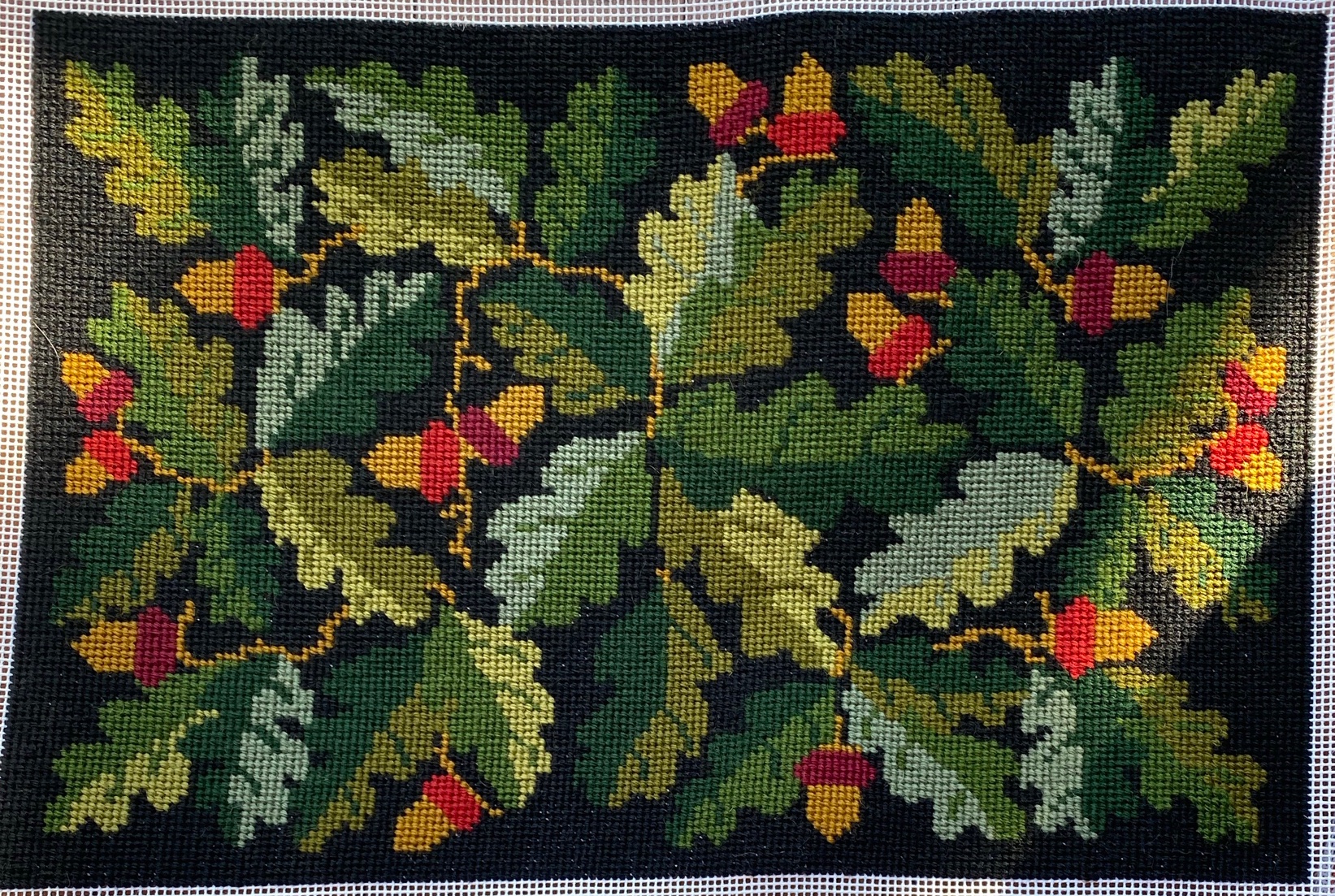
I finished this a few days ago and wanted to share, even though it’s not blocked yet. I have to find some scrap wood to pin it to. It turned out fairly well, although my stitches aren’t all even. It’s been a very long time since I used one needle instead of two! My sewing machine is broken so I’ll take it to the nearby alterations place to have it made up. After I buy the backing, of course. I already have the stuffing.
It’s been years since I blogged regularly. Maybe ten years? In that time I have finished my bachelor’s degree and earned a master’s. I have sold my house and downsized to a townhome. My beautiful baby has graduated from high school, started college and turned 21. We’ve managed to thrive during this Covid pandemic, despite the madness of the outside world.
Frankly, I’m exhausted.
My art took a rest during this time. I can validly say that I’ve been too busy to play. In this time, though, my mind has been working in the background. I am coming to new relationships with color, texture, and process. And so I am both returning to complete unfinished works, and starting new projects. Kind of like my degrees. I’m setting aside a couple of hours after dinner to dip into art. I need it to decompress.
In the past two or three years, I have also gained back all of the weight I lost starting in 2008. Dreadful? Nah, not really. I see myself in the mirror, and I’m beautiful thin or fleshed. But I don’t like how I move when I’m heavier. I can’t bend or twist the way I want to, and I feel like my face do any show the expressions I intend, so I want to bring it down. The weight has to go.
My weight gain has come from a couple of habits, mostly related to convenience. Since I wrote last I’ve also been diagnosed with fibromyalgia, which may well have been hidden for years. And I’ve been watching when, what, and how I eat to find those extra calories. I’ve discovered that convenience is the key. When I feel tired and I’m in pain, the last thing I want to do is spend an hour cooking. I just want to eat. The breads and pastries I keep on the counter have been providing the energy to cook. So I eat two meals in the place of one.
That’s the key. I need to have healthy food that I can prepare easily and quickly to avoid the before-dinner bagel with cream cheese.
So here we are, back at a new beginning, but with a whole lot of life to work from.
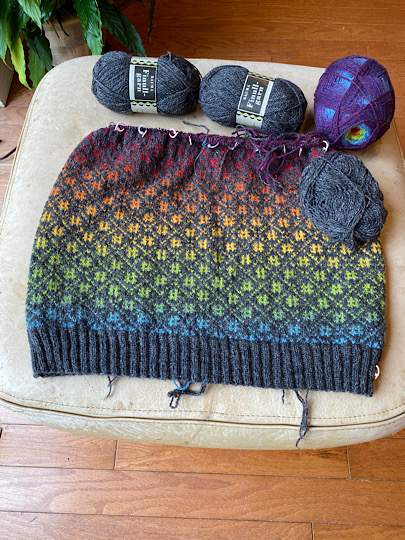
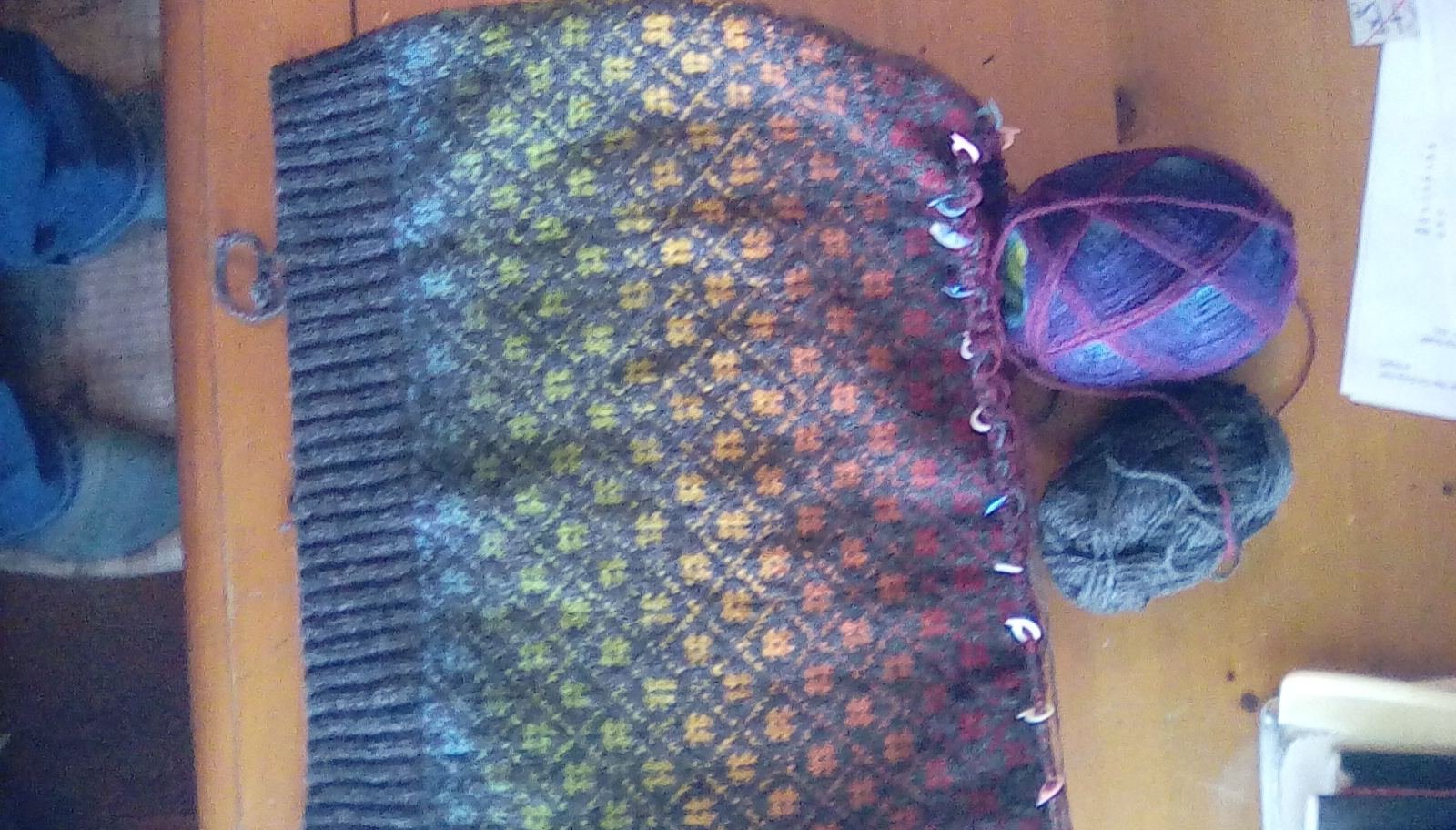
Here’s one of my WIPs, a pullover in Kauni multicolor and Rauma Finnukgarn.
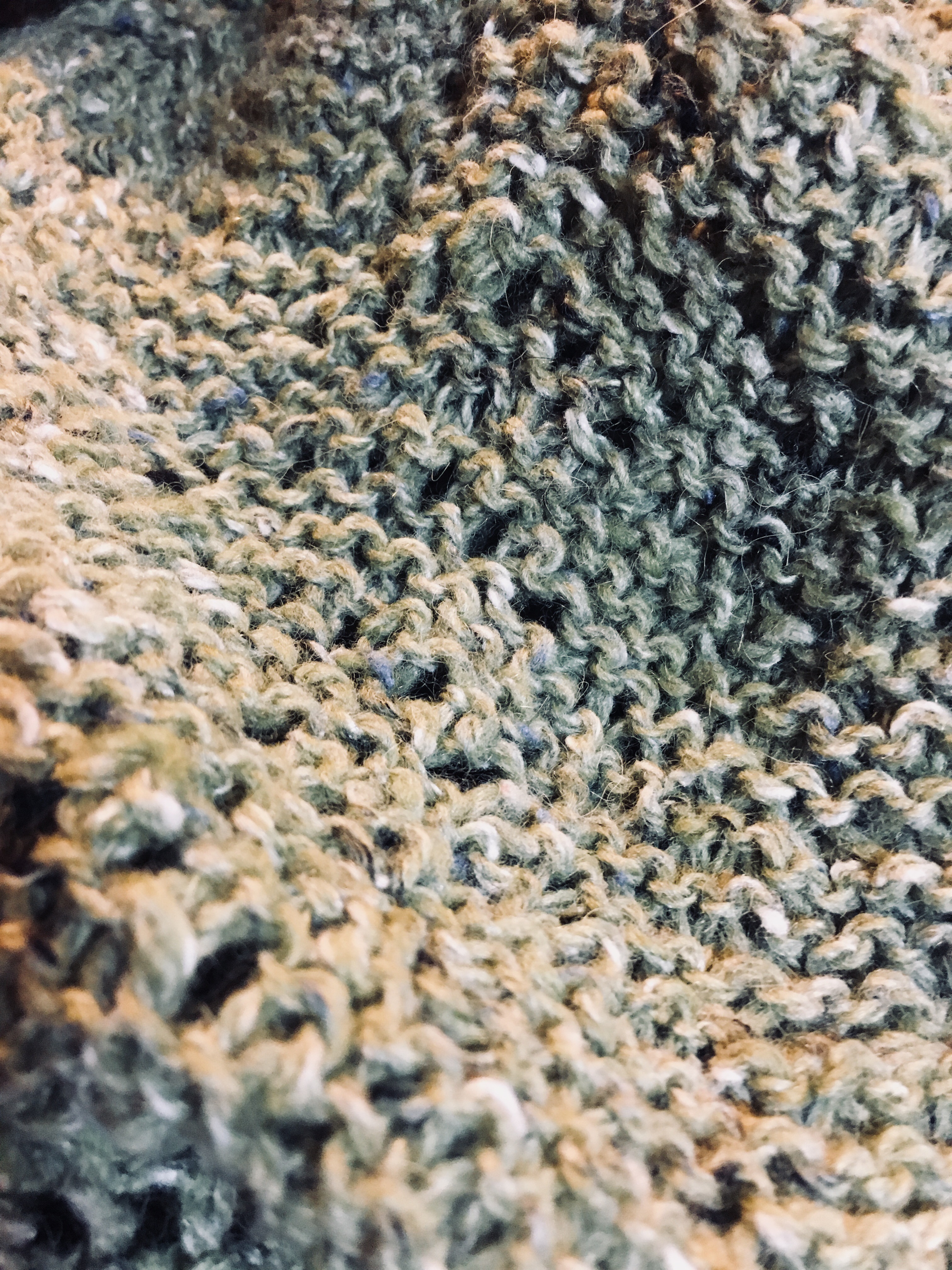
I’m killing two birds with one stone. You know that scattered wealth of WIPS we all have? I’ve restarted an old half hap shawl, very simple, with a garter center, a feather and fan border, and saved the top edge stitches live on a string to work an all around lace edge. The yarn is Rowan felted tweed in Celadon. Simple, beautiful, comforting.
Winter came early this year, and though the pear trees performed poorly, and the rain came early, and the leaves are still scattered, I’ve got too much energy to curl up for my winter’s nap. The jangled nerves of years past have stretched; my muscles and sinews are tighted and strong. I need to do something. I’m not sure what, but sitting still and knitting isn’t it. Does that mean I need to, or need not to? I’m not sure. I need to DO something. Maybe I should start by raking up those leaves.
Posted inKnitting|Comments Off on WIP to the rescue
Knitters, I have a stash full of extraordinary yarn that I don’t use because I feel like it “deserves” an extraordinary project using difficult techniques.
I know this is foolish.
Please, knitters, remind me that it’s ok to use the good yarn, even for garter stitch, just because I want to.
I’ll bribe the neighbor. He’s a car guy and can probably fix it. I think it’s the starter, which has been temperamental all summer. The battery is practically new. I was hoping to slide through fall and the holidays and into my tax return before having to deal with car repair, but the car seems to have other ideas.
On the plus side, I have Sunday and Monday off. And I can walk to work if it’s not fixed by Tuesday. And I have a granny cart for any grocery shopping that my roomie can’t drive me to. And the market is just a mile away.
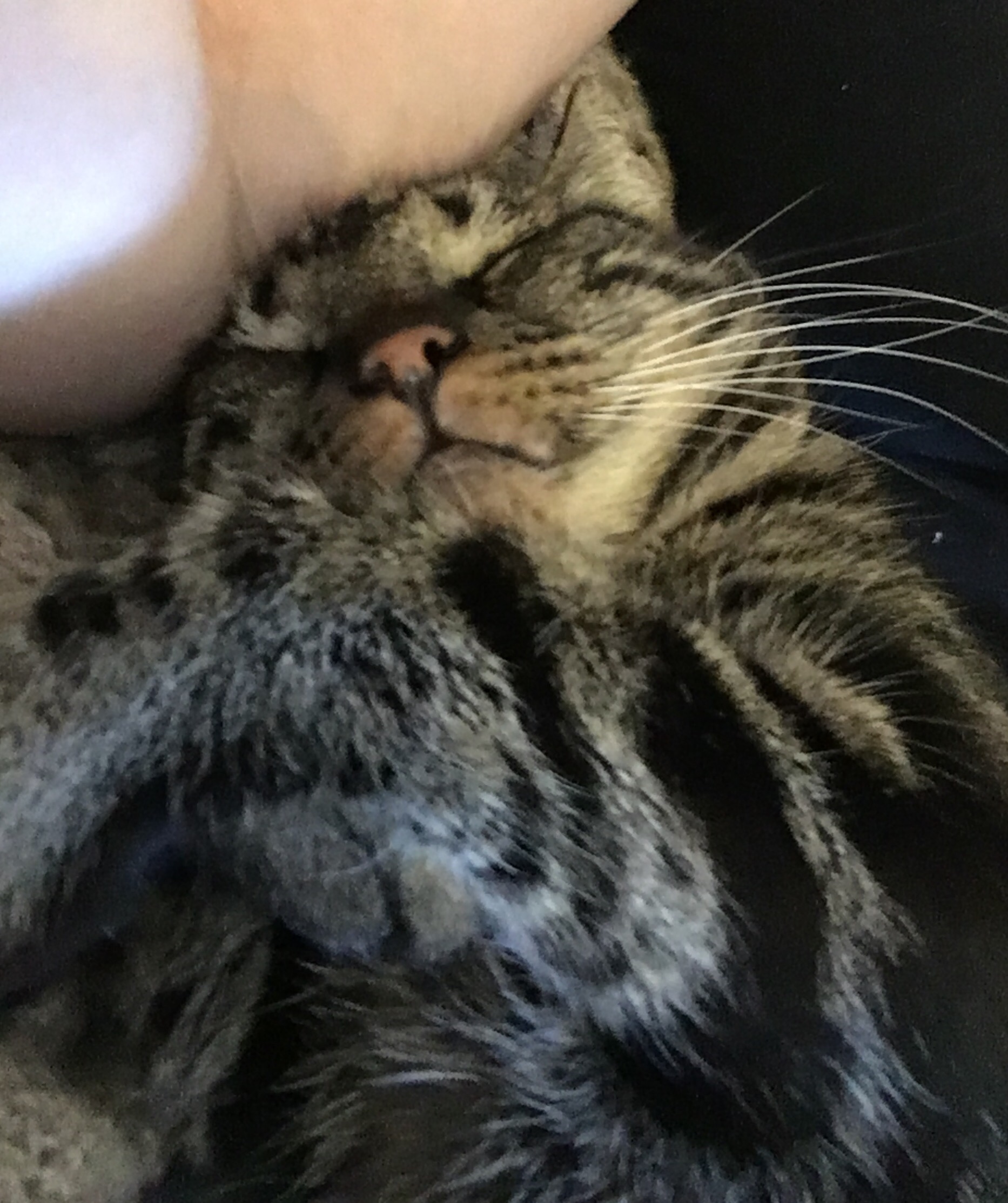
Cross your fingers for me. Here is a picture of Caruso to keep you occupied.
Also, my ginger pear coffee cake (pears from my own trees) is delicious.
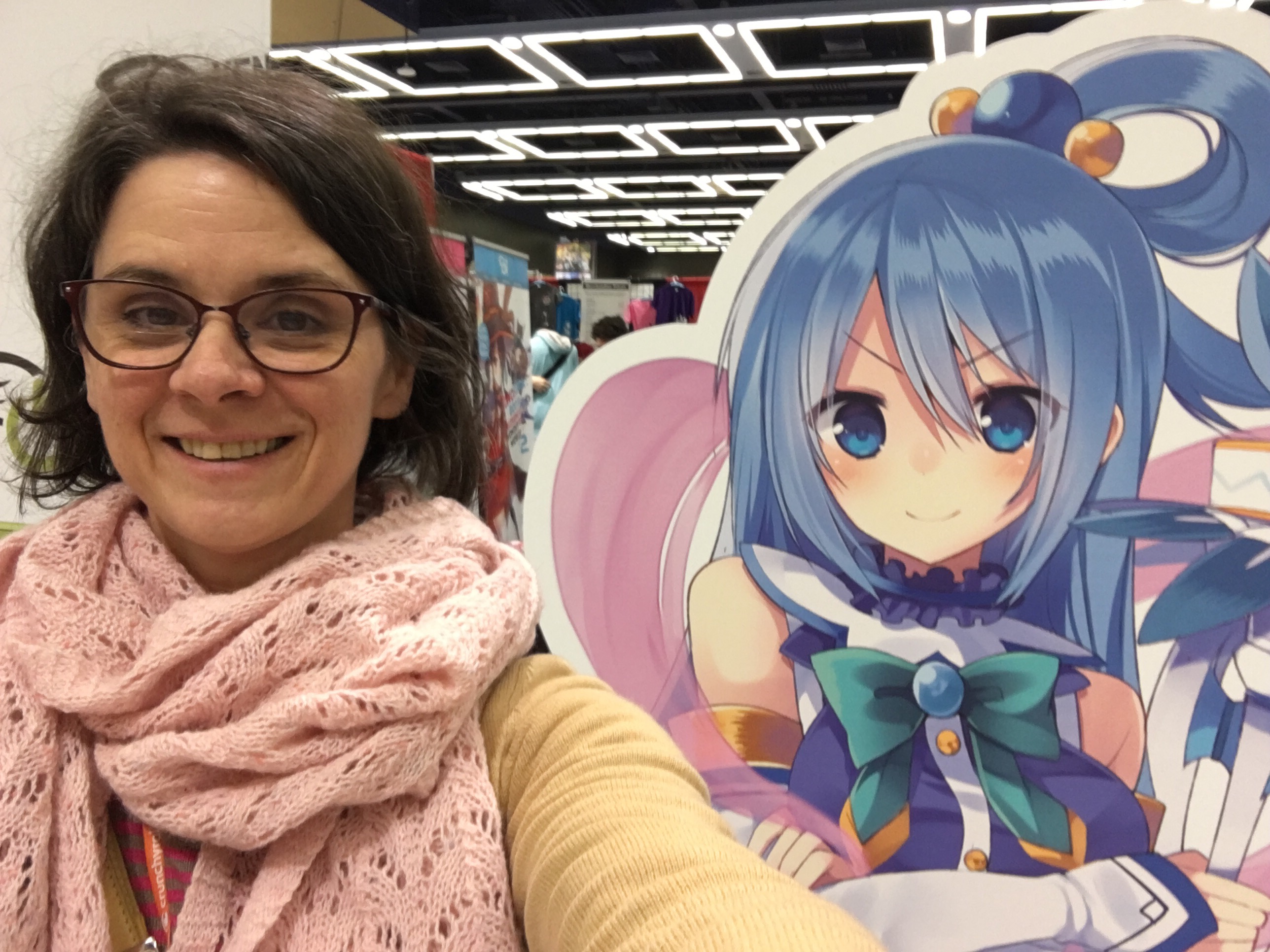
Check back later. I keep trying to get my head above water. This is me last spring at Sakura-con. I weigh ~130 lbs. I’m mostly tired, but I’m healthy physically and mentally.
iphone app worked with older version of wordpress, but once i updated – as one should – it fails on authentication. am researching. not that iphone integration is required, but it seems stupid that the app and the software won’t talk to one another. i can’t show you that picture because it’s on my stupid iphone.
Left comment for the app support. we’ll see if anything comes up.
Posted inUncategorized|Comments Off on Testing iPhone app
Employment
Coffee
Coffee culture
Stuffed animals
Home heating oil
A full refrigerator, without requiring a special Thanksgiving shopping trip
Sweaters
Books
Wine, a gift from a friend
Vintage quilts
Great finds at the Goodwill
My roommate Dustee
My ex-husband not calling me selfish and irresponsible
My own washer and dryer
Silence
The hum of the furnace that breaks the silence
Wifi
The feeling of safety
Loneliness that drives me to interact
The power to act – or to not act
Fear of failure
My bed. I have a really good bed.